How Digital Services Are Reshaping the Automotive Aftermarket in Malaysia


 Locked


How Digital Services Are Reshaping the Automotive Aftermarket in Malaysia
 
|
The Auto Aftermarket Is Changing Faster Than Ever
If you’ve paid any attention to the automotive aftermarket lately, the times they are a changing. Stuff is not working as it used to. Gone are the days when vehicle servicing meant walking into a workshop and waiting for a call. At this point, technology has completely reconfigured what is and isn’t reasonable to expect. Digital services, smarter parts distribution and data-driven tools have become just as much a matter of course in everyday operations. This transformation is occurring not only worldwide. And it is playing out all too obviously in Southeast Asia, too. The Malaysia Automotive Aftermarket Market to grow from US$ 4,922.2 Mn in 2014 is anticipated to reach approximately over US$ 7,389.9 Mn by 2020 this shows the high rate of adoption for filed services at homes and automotive together with increase in awareness of changing lifestyle that triggers the malaysia electronics market. Why Digital Services Are the New Normal Life is getting easier for drivers and service providers alike, with the help of digital tools. You no longer have to call in for a service appointment. If you need a spare part, it doesn’t mean a drive across town. Everything is right there on a screen. One of the most significant changes is the advent of vehicle diagnostic apps. These devices allow car owners to monitor what’s going on under the hood without having to set one foot inside a garage. It’s not about replacing mechanics. It’s really about whether to improve the clarity that we can provide for drivers before they make a decision. Augmented reality and virtual reality are also starting to have their moment. They visually aid in customer understanding of repairs, which is confidence-building and trust-earning. When people understand what they’re paying for, they are more likely to feel confident spending money on maintenance. 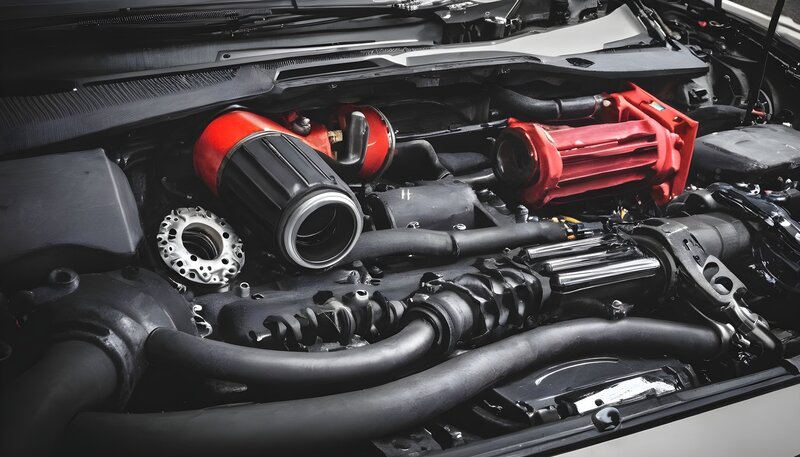 E-Commerce Is Redefining Parts Distribution In the days of old, purchasing auto parts entailed a restricted number of options and an uncertain availability. That’s no longer the case. Online marketplaces give customers and workshops the chance to compare prices, check compatibility and read reviews in minutes. Backstage, inventory systems and predictive analytics are working to keep the parts stocked and at the ready. Quick delivery is also another convenience. Same- and next-day delivery cuts down time lost in the shop, keeping vehicles out on the road. When it comes to workshops, this translates to faster turnaround time. For riders, that means fewer delays and less aggravation. Personalisation Is Bringing Brands And Customers Closer Together The aftermarket is getting more personal. Data plays a big role here. “We now know how they buy, what kind of service have they had on a product before and what are their preferences,” said Morrison. That makes it easier to recommend the right products at the right time. Loyalty programs feel more relevant. Promotions feel less random. Customer feedback also matters more. Ratings and reviews give businesses a true sense of what’s working — and what’s not. That kind of feedback is something that brands can use to adapt quickly, and build long-term trust. How Internet of Things and AI Will Change Maintenance The age of smart maintenance is now upon us, thanks to connected vehicles. IoT products monitor vehicle health continuously and notify drivers before issues become larger problems. AI takes it a step further. Predictive maintenance systems scrutinize data and predict when problems will occur, before equipment fails. This reduces the time required for repair, reduces repair cost and prolongs vehicle life. Artificial intelligence-driven chatbots also enhance customer service. Basic questions are answered in real time, and compatibility issues are dealt with more quickly. That type of back and forth can make a difference in a competitive market. Remaining Hurdles the industry Must Overcome This digital turn is not without its obstacles. There is very little with respect to data security. As cars and devices are increasingly connected, safeguarding personal customer data is crucial. Another challenge is skills. New tools require trained people. It’s incumbent on workshops and distributors to invest in training and development to stay current with the changing systems and technologies. Looking Ahead The direction is clear. Aftermarket of the future is all about digital services,more intelligent distribution, and focus on customer experiences. Only businesses that adapt and emerge will be stronger for it. The reluctant may find it hard to keep pace. The opportunity is available, and the market is responding. Now, the winners will be driven by how effectively companies adapt to change and deliver value in a more networked automotive world. |

|
Just as digital tools are revolutionizing the automotive aftermarket, mobile technology is reshaping how we earn through platforms like Six Game Pakistan. This Pakistani Real Earning App game leverages the same global shift toward data-driven convenience, allowing users to monetize their spare time directly from their screens. Much like modern vehicle diagnostic apps, these gaming platforms provide transparent, real-time tracking of your progress and rewards, ensuring a seamless experience for every download file tech-savvy user looking for digital growth.
|
«
Return to ImageJ
|
1 view|%1 views
| Free forum by Nabble | Edit this page |